


The Website Performance & Conversion Engine is now at the heart of success for local businesses, service providers, and regional companies. In today’s landscape, site speed, Core Web Vitals, mobile responsiveness, technical structure, UX design, clean code, and hosting quality can’t be treated as afterthoughts. Instead, these core website concepts are directly tied to business outcomes. If your website is plagued by slow-loading pages, high bounce rates, or poor mobile usability, you’re not only losing conversions—you’re burning through ad spend and damaging online credibility. In a world where trust and speed drive every click, a robust digital foundation is essential for growth.
Key Takeaways
What you’ll learn:
- Why site speed, Core Web Vitals, mobile responsiveness, technical structure, UX design, clean code, and hosting quality is the foundation of all digital marketing
- How the Website Performance & Conversion Engine addresses slow-loading pages, high bounce rates, low conversions, poor mobile usability, weak engagement, low trust signals, wasted ad spend, and difficulty ranking due to technical issues
- How conversion-focused layout, intuitive navigation, call-to-action structure, analytics tracking, security, accessibility, and performance optimization translate into better rankings, engagement, and conversions
- What this shift means for ads, SEO, and overall growth
Why This Concept Matters
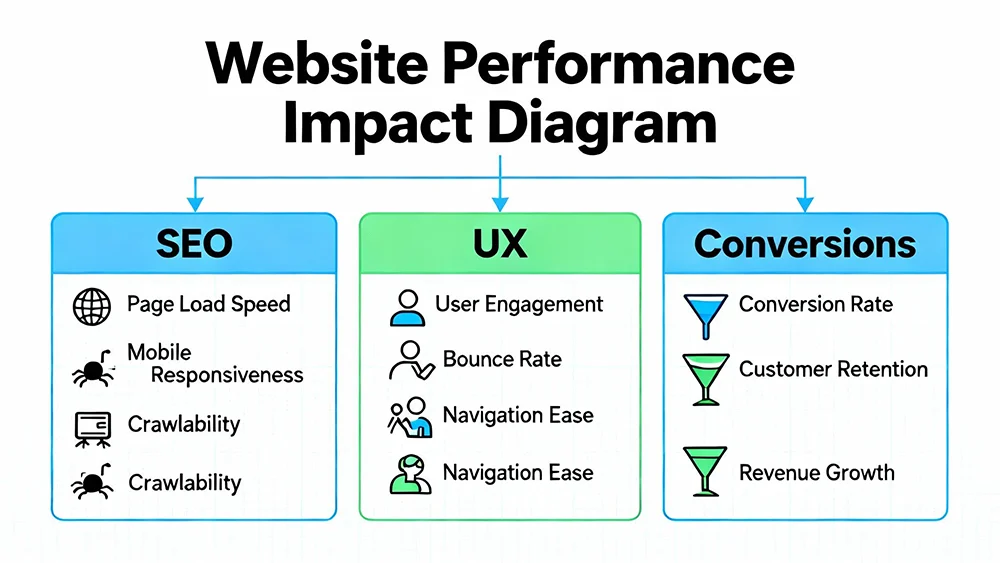
Site speed, Core Web Vitals, technical structure, UX design, and hosting quality are not just technical jargon—they’re mission-critical to your digital results. Modern customers expect instant access on every device, and both Google and Facebook penalize slow, clunky websites. The truth is, a slow or fragile website quietly undermines every effort you make:
- Search engines lower your rankings when load times lag or code is messy.
- Paid ad campaigns become expensive when visitors leave before engaging.
- Even loyal customers lose patience with confusing, outdated pages or broken mobile layouts.
Meanwhile, a high-performing, conversion-optimized site amplifies every channel you use. Email campaigns, social outreach, organic search—all see better results when your platform loads fast, navigates smoothly, and signals trust at every turn. For local businesses, website performance directly affects every dollar spent on marketing, reputation, and long-term growth.
Real-World Example
Imagine a local business—let’s call it Smith’s Plumbing. Their original website was built years ago and hadn’t kept pace with modern standards. Pages loaded slowly, the layout broke on mobile phones, and calls to action were hidden in cluttered footers. Ad campaigns sent traffic to pages that took too long to load, so most visitors bounced before even reading an offer. Smith’s wasted thousands on ads each year and struggled to generate qualified leads.
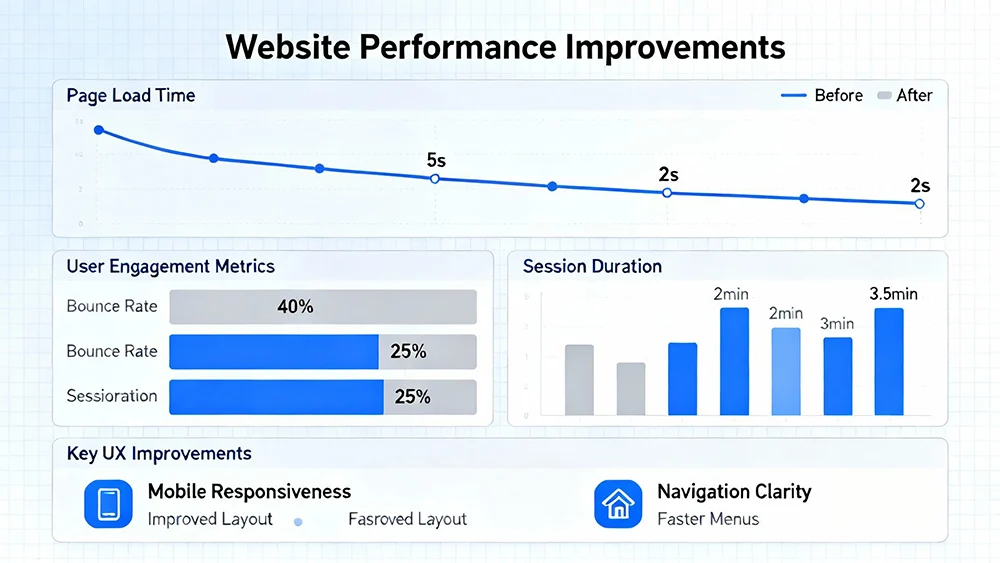
After investing in website performance improvements—speed optimization, cleaning up code, implementing mobile-first design, and restructuring calls to action—everything changed. The site loaded in under 2 seconds, the design responded seamlessly on every device, and prominent, trust-building CTAs made it effortless for visitors to contact Smith’s Plumbing. As a result, bounce rates dropped drastically, lead quality improved, and the business saw a measurable jump in revenue. By prioritizing website performance, Smith’s Plumbing turned its site from a silent liability into a reliable growth engine.
Common Mistakes
Many local businesses unknowingly undermine their digital strategy by:
- Using bloated WordPress themes loaded with unnecessary scripts
- Ignoring mobile optimization, leading to a poor user experience on smartphones and tablets
- Choosing low-quality, shared hosting that can’t handle traffic spikes
- Uploading giant, unoptimized image files that kill speed
- Relying on cluttered designs and weak, hidden calls to action
- Overlooking logical navigation, which confuses users
- Failing to monitor Core Web Vitals or analytics, leaving problems undiagnosed
These issues not only frustrate customers but also drag down every other marketing effort, from search visibility to paid ad ROI.
What You Should Aim For
A high-performing, conversion-focused website is built for growth from the inside out. This means:
- Fast load times and clean code: Pages and content load instantly, images are optimized, and no redundant scripts slow down performance.
- Mobile-first responsive design: Every visitor enjoys a seamless experience, no matter their device.
- Clear information architecture and UX: Navigation is intuitive, content flows logically, and users quickly find what they need.
- Compelling calls to action and trust elements: Clear, visible CTAs guide users to contact, book, or buy, supported by social proof and trust signals.
- Analytics and tracking are set up correctly: Every visitor action is measured and optimized for continuous improvement.
Supporting Data & Research
Industry studies reinforce what local businesses experience firsthand: even a one-second delay in page load can significantly raise bounce rates and lower conversions. Poor Core Web Vitals, such as slow Largest Contentful Paint or high Cumulative Layout Shift, correlate with lower rankings and fewer user interactions. In fact, most users expect pages to load in under three seconds, especially on mobile—the primary access point for local searches. Optimizing website performance not only lifts SEO results but also aligns with Google’s evolving algorithms, directly impacting your business’s online visibility and reputation.
Fast, accessible websites consistently lead to higher engagement, increased time on site, and stronger conversion rates. For local businesses competing in crowded markets, these small technical improvements translate into measurable revenue gains and more efficient ad spend. By basing your strategy on performance fundamentals, you build a platform that can support ongoing marketing, seasonal promotions, and long-term search growth.
Frequently Asked Questions
Why is website performance so crucial for my business?
Fast-loading, technically sound websites earn better search rankings, higher engagement, and more conversions—making every marketing dollar go further.
What are Core Web Vitals, and why do they matter?
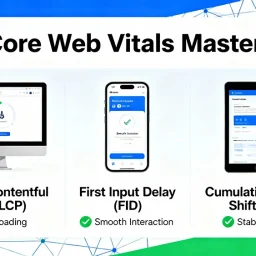
Core Web Vitals are a set of user experience metrics tracked by Google, including load speed, responsiveness, and visual stability. Meeting these standards is now essential for ranking and user trust.
How does mobile optimization impact my business results?
Most local searches are mobile. If your site isn’t mobile-first, visitors will leave quickly, costing you leads and credibility.
What are the most common performance killers on local business websites?
Bloated themes, oversized images, poor hosting, confusing navigation, and missing calls to action frequently drag down website performance.
How can improving UX and UI increase conversions?
Clear layouts, intuitive navigation, and prominent CTAs reduce friction—making it easier for visitors to become customers.
Do site structure and technical SEO still matter with all the new marketing channels?
Absolutely. Poor structure and technical problems undercut the performance of all your channels, making marketing less efficient.
How do I know if I need a website rebuild versus smaller fixes?
If your site has fundamental infrastructure, speed, or structural issues, a rebuild is likely the smartest investment. Otherwise, targeted optimization may suffice.
What should I prioritize when optimizing my website?
Start with speed optimization, mobile responsiveness, and fixing any glaring UX or technical issues. Then address Core Web Vitals, analytics, and accessibility.
How does website performance affect paid advertising ROI?
Slow sites waste ad spend; even the best ads can’t fix poor user experiences. Performance boosts ROI by keeping visitors engaged and converting.
What are the first signs my website needs a performance upgrade?
High bounce rates, falling search rankings, low conversions, and customer complaints about usability are strong indicators it’s time to act.
Webpuzzlemaster Website Performance & Conversion Services
Our Website Performance & Conversion Engine transforms your site into a fast, mobile-ready, conversion-driven platform with optimized UX, Core Web Vitals, technical performance, and strategic calls to action designed to turn traffic into customers – all delivered by Webpuzzlemaster Digital Marketing Agency, led by Ruth Kuttler, your AI Visibility Engineer™ & Digital Strategy Architect.
In addition to technical performance and UX improvements, Webpuzzlemaster provides broader strategic support — including AI-powered SEO, structured content planning, CRM and workflow automation, conversion optimization, reputation management, and local business visibility strategy. When these elements operate in sync with a high-performing website, businesses experience stronger search rankings, higher-quality leads, and more consistent revenue growth driven by an elevated digital experience across every customer touchpoint.
About the Author
Written by Ruth Kuttler, AI Visibility Engineer™ & Digital Strategy Architect, specializing in high-performance WordPress development, UX, conversion strategy, and technical foundations that support AI-driven visibility and marketing.
Your Next Step
Ready to turn your website into a high-performance, conversion-focused growth engine? Let’s optimize your digital foundation.