

Introduction
The AI Visibility Engine™ is transforming digital marketing, and it’s rooted in foundational concepts like AEO (Answer Engine Optimization), GEO (Generative Engine Optimization), entity-based SEO, structured content architecture, semantic relationships, and AI-driven search visibility. Gone are the days when SEO meant simply chasing keywords or tweaking meta tags. Today, search visibility is determined by how clearly and consistently your business and expertise are presented to AI-powered engines—across all platforms and discovery channels.
If you’ve seen declining organic traffic, inconsistent rankings, or your content absent from AI-generated answers, you’re not alone. Despite ongoing SEO investments, confusion about AEO, GEO, and the shift in what search engines value is widespread. Industries of all types are dealing with unprecedented changes: now, AI search, structured content, and entity mapping act as the new gatekeepers, deciding who gets seen and where. This is especially critical for service-based businesses, local providers, and any organization whose customers rely on online discovery. The new SEO stack is about aligning your digital presence with how these intelligent systems evaluate, understand, and surface information—delivering not just rankings, but real engagement and qualified leads.
Key Takeaways
- Why AEO, GEO, entity-based SEO, structured content architecture, semantic relationships, and AI-driven search visibility redefine keyword-based SEO
- How the AI Visibility Engine™ addresses declining traffic, inconsistent rankings, AI answer exclusion, poor conversions, AEO/GEO confusion, and weak internal structure
- How entity mapping, schema markup, knowledge graph signals, internal linking architecture, topical authority, intent alignment, and content pathways strengthen discoverability and intent alignment
- What this shift means for content structure, authority, and trust
Why This Concept Matters
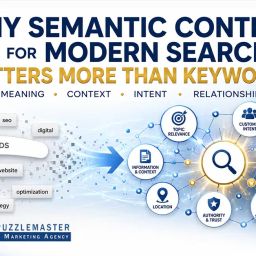
At the core of the new SEO stack are advanced concepts such as AEO and GEO, underpinned by entity-based SEO and robust structured content. Modern search systems—AI-driven search engines, answer platforms, voice assistants—evaluate far beyond isolated keywords. They build a contextual footprint of your business by mapping entities (the “who,” “what,” and “where” of search), understanding relationships, and deciphering user intent.
The AI Visibility Engine™ enables you to surface not just words, but meaning. When your content defines clear entities (like your services, locations, and expertise), provides comprehensive relationships (via schema and internal linking), and aligns with user intent, you become visible to the very algorithms and generative AIs deciding who gets surfaced in search, answers, maps, and more. Content that’s unstructured or lacks proper markup is quickly ignored, and businesses relying on traditional keyword-centric tactics find themselves invisible in these evolving discovery platforms.
Real-World Example
Consider a service-based business—perhaps an HVAC company—that has always ranked for “AC repair [city]” by optimizing keywords on its services pages. But when users turn to AI assistants (“What’s the best air conditioning repair company near me?”) or Google’s SGE/AI Overviews, this business fails to appear. Why? Its web pages aren’t structured semantically; services and locations are mentioned, but not defined as entities. There’s no schema connecting services, reviews, or service areas. Internal links aren’t guiding users (or algorithms) through a logical content pathway.
Faced with declining traffic from these newer engines, the business pivots: it implements structured content, entity mapping, service area schema, and intent-driven content pathways. As a result, clear entity signals start surfacing in AI-powered answers, maps, and voice queries—not just blue links. The shift to the new SEO stack unlocks measurable visibility, qualified leads, and resilient growth across evolving search channels.
Common Mistakes
A surprising number of businesses still rely on keyword-first optimization, crafting content without structure or clear entities. This approach fails in an era where AI looks for relationships, context, and trust. Unstructured content confuses both users and algorithms, while ineffective internal linking leads to weak content authority and missed opportunities for engagement. Missing schema markup leaves your core business areas unrecognized by knowledge graphs and answer engines.
Additionally, many ignore answer engines altogether, focusing solely on “ranking” when visibility is now multidimensional. Focusing on rankings rather than broader visibility and trust leaves your brand exposed to traffic drops, inconsistent discovery, and limited conversions—which are increasingly common pain points among modern businesses.
What You Should Aim For
Achieving consistent visibility with the new SEO stack demands:
- Clear, unambiguous entity signals—defining what your business offers, where, and why it is trusted
- Scalable structured content architecture that organizes information into logical, accessible pathways
- Strong alignment with user intent, helping both people and algorithms understand the value of each service, offering a smooth journey from search to solution
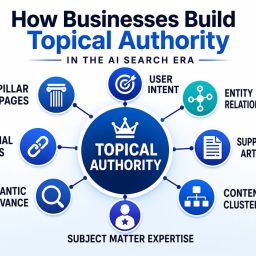
- Deep semantic coverage, backing up your expertise and topical authority
- Comprehensive exposure in both traditional search results and new AI-powered answer engines—driving qualified traffic and measurable business outcomes
Supporting Data & Research
The shift to entity-based and semantic SEO is supported by observable changes in how Google, Bing, ChatGPT, and other platforms handle content. AI-first systems analyze relationships, topical coverage, and trust signals as part of broader knowledge graphs. Schema markup provides explicit context, making it easier for AI to match user intent with real-world businesses. This approach increases the likelihood of being surfaced in zero-click answers, SGE snapshots, Maps/Local Packs, and even voice responses.
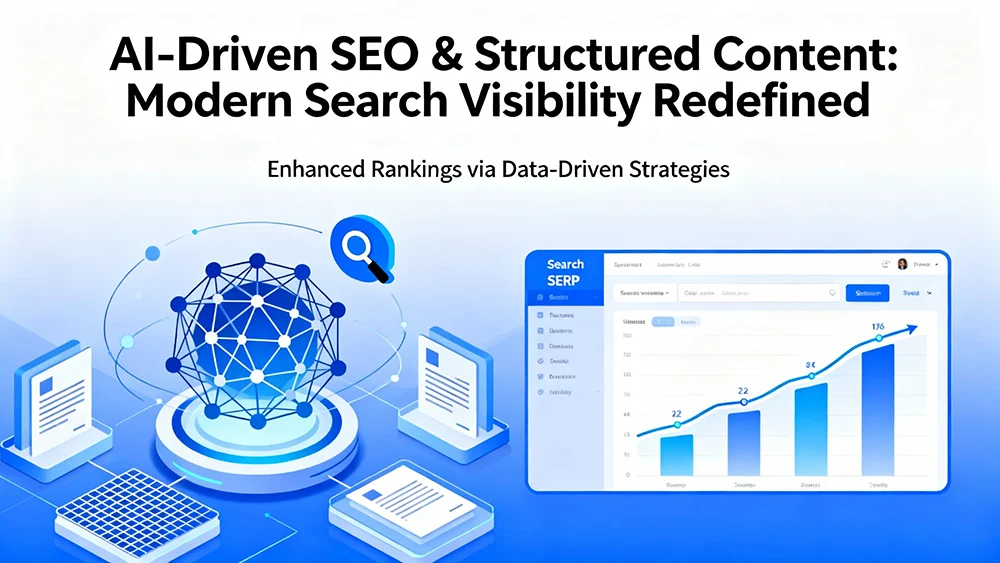
Studies across the SEO industry have shown that businesses with well-structured, entity-defined content experience higher visibility in AI-generated answers and knowledge panels. Internal linking and structured pathways help search engines evaluate page relationships, boosting topical authority signals. These patterns underscore why the new SEO stack isn’t just a trend—it’s a strategic response to a transformed search landscape.
Frequently Asked Questions
What is the new SEO stack?
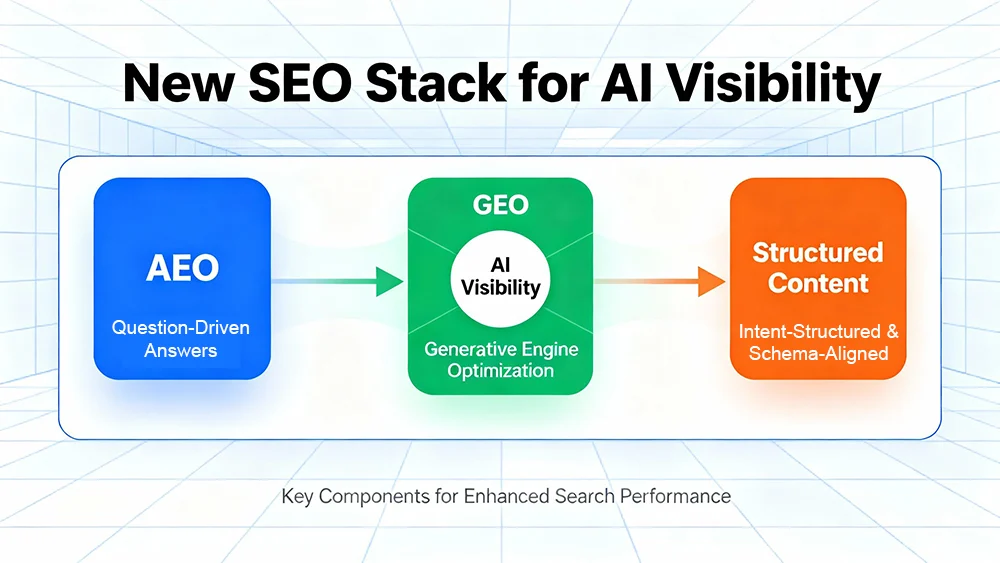
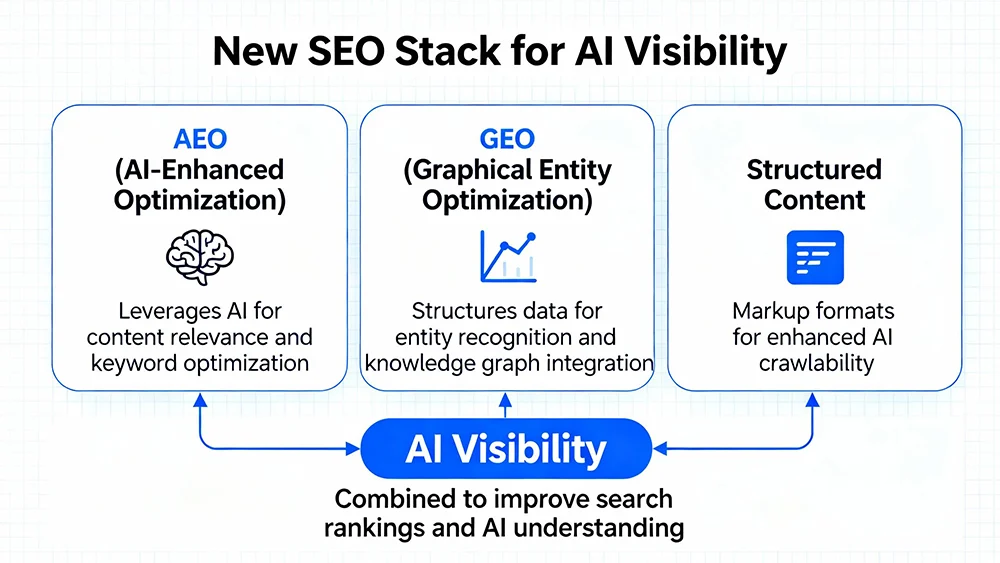
The new SEO stack consists of Answer Engine Optimization (AEO), Generative Engine Optimization (GEO), structured content, entity mapping, and schema markup—designed for visibility in both AI-driven search results and answer engines.
What is AEO and why is it important?
AEO (Answer Engine Optimization) focuses on structuring content and entities so that AI-powered answer engines (like ChatGPT, SGE, voice assistants) can surface your business in direct answers, not just blue links.
How does GEO differ from traditional SEO?
GEO (Generative Engine Optimization) optimizes for new generative AI engines that generate answers and recommendations, requiring detailed entity signals and comprehensive semantic coverage.
How does entity-based SEO improve search visibility?
Entity-based SEO defines and connects the key people, places, products, or services of your business, which makes it easier for AI and search engines to recognize your authority and relevance.
Why is structured content critical for the new SEO stack?
Structured content provides clear hierarchy, pathways, and meaning, enabling both users and AI to navigate content seamlessly and recognize intent.
How does schema markup help with AI visibility?
Schema markup is a form of structured data that labels business information for AI engines, enhancing your appearance in answer engines, local results, and knowledge graphs.
What are answer engines and how do they differ from search engines?
Answer engines use AI to provide direct responses, summaries, or recommendations, bypassing traditional search result pages and requiring new optimization tactics (AEO).
Why is internal linking important in the new SEO stack?
Internal linking clarifies relationships between topics and pages, helps distribute authority, and amplifies entity signals—critical for effective AI-powered discovery.
How do I get started with AEO and structured content?
Begin by mapping business entities, implementing schema markup, building clear internal link pathways, and crafting content that answers user intent directly.
What results can I expect from adopting the new SEO stack?
Benefits include increased visibility in AI-powered answers, more qualified traffic, higher trust signals, sustainable growth, and improved engagement and conversions.
Webpuzzlemaster SEO Services
Webpuzzlemaster Digital Marketing Agency led by Ruth Kuttler, delivers an AI-assisted SEO strategy, entity mapping, structured content architecture, internal linking systems, and schema implementation designed to increase visibility across search and answer engines while improving lead quality and conversion outcomes.
Our agency seamlessly integrates entity mapping, schema, and intent-driven structured content strategies into every campaign. We design scalable internal linking systems that reinforce topical authority and build comprehensive content pathways. Our solutions equip businesses with measurable outcomes—visibility in new AI-driven channels, enhanced trust signals, and higher conversion rates—while ensuring growth through the modern search landscape. From deep technical implementation to ongoing performance tracking, our team makes sure your digital presence is future-ready.
About the Author
Ruth Kuttler, AI Visibility Engineer™ & Digital Strategy Architect, has established herself as a trailblazer in AI-driven visibility, helping organizations transition beyond legacy SEO into structured content and entity-first strategies that win across AI search and answer engines. Her expertise merges years of digital marketing with advanced technical insight into how AI evaluates relevance and trust. Ruth leads with proven, innovative tactics that deliver sustainable growth and measurable results. With a commitment to knowledge sharing, she empowers clients to navigate the ever-shifting SEO ecosystem confidently.
Your Next Step
Book a complimentary AI Visibility Strategy Session to see how the new SEO stack applies to your business and where structured content can unlock growth.