

Introduction
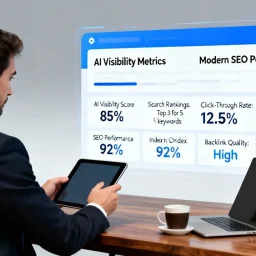
The digital landscape is evolving at breakneck speed, and as AI-driven technologies redefine how users search, the rules for online visibility are changing too. The AI Visibility Engine™ emerges as a vital framework, combining AI-driven search behavior, entity-first optimization, structured content architecture, semantic relevance modeling, and visibility tactics across both traditional and AI-powered answer engines. For local businesses, service providers, and retailers facing declining organic traffic and unpredictable search rankings, the impact of AI search vs SEO is profound.
AI search, structured content, and entity mapping are reshaping how businesses compete. Traditional keyword-centric strategies no longer guarantee visibility. Instead, brands must ensure their online presence is optimized for both algorithm-based search and the fast-growing world of AI-powered answer engines—where context, structure, and entity clarity lead to discovery.
Key Takeaways
- Why AI-driven search behavior, entity-first optimization, and semantic relevance redefine keyword strategy
- How the AI Visibility Engine™ tackles decreasing traffic, weak rankings, and unpredictable online presence
- How generative engine optimization, structured data, and contextual understanding improve discoverability
- What these changes mean for content structure, brand authority, and predictable results
Why This Concept Matters
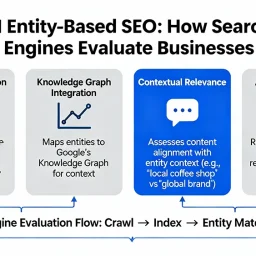
The core AI SEO concepts—AI-driven search behavior, entity-first optimization, structured content, semantic modeling—are critical because search systems are no longer just matching keywords. They’re evaluating:
- Entities: Core concepts, brands, locations, products, and people the content references
- Context: Relationships and topical relevance surrounding those entities
- Intent: The underlying purpose behind user queries, as interpreted by advanced AI models
Today’s search and answer engines seek trustworthy, authoritative, well-structured information. Without entity clarity and semantic depth, even high-quality content might be ignored by AI-driven search.
Real-World Example
Imagine a business that steadily grew through traditional SEO—ranking well by optimizing for keywords. Suddenly, organic traffic drops. Zero-click answers appear for their primary search queries, pushing website links below AI-generated summaries. The brand’s articles, though informational, are scattered and disconnected.
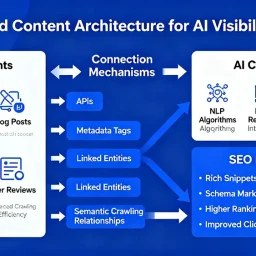
By applying an AI visibility framework—structuring content into clear, interconnected topics and enhancing entity signals with schema and authoritative sources—the business regains visibility. Paired with subtle improvements to website performance and CRM-backed follow-up, both rankings and lead quality rise. The business not only returns to page one but now earns citation within AI answers, a win in the new landscape.
Common Mistakes
Many businesses fall behind because they cling to outdated SEO tactics, such as:
- Relying on keyword stuffing rather than building meaningful, interconnected topics
- Publishing disconnected articles instead of cohesive content clusters
- Ignoring structured data and entity markup, so search systems can’t clearly interpret the business or its offerings
- Failing to build entity authority through consistent interlinking and topical coverage
- Focusing only on traditional SEO tasks and not preparing content for AI-powered answer engines
- Overlooking performance and infrastructure, which affect how content is crawled and interpreted
Such missteps often lead to declining rankings, lost traffic, and a lack of visibility in emerging AI-driven search features.
What You Should Aim For
Success in the new landscape means achieving:
- Consistent, omnichannel visibility—including traditional search and AI answer engines
- Stronger entity recognition: search systems clearly understand who you are and what you offer
- Higher topical authority through semantically connected, structured content
- Better interpretation by AI models via schema, metadata, and clear relationships among your topics
- A predictable, high-quality flow of qualified visitors—whether they click your link or discover your expertise through AI-powered summaries
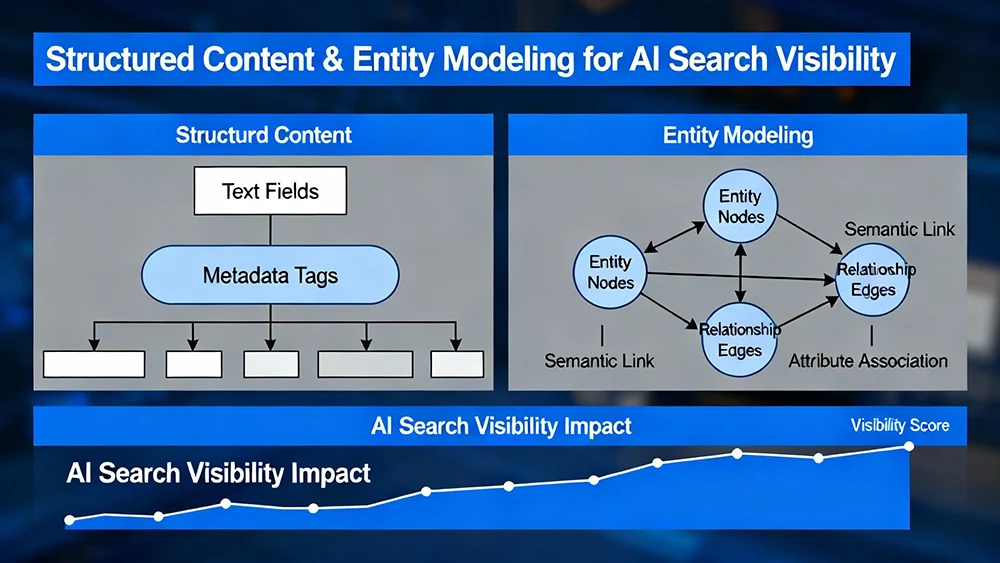
Supporting Data & Research
AI search models are transforming discovery. They reward:
- Deep, structured content that clearly delineates entities and their relationships
- Consistent application of schema and metadata to support semantic search
- Cross-referenced internal links, building both authority and interpretability
- Performance alignment: fast, accessible websites get preference from both algorithms and AI engines
- Evidence of expertise and authority, often gauged through reviews, backlinks, and completeness of information
As AI answer engines generate more results with fewer clicks required, traditional listings decline in importance. To remain visible, brands must focus on structured, interconnected content and entity-first strategies.
Frequently Asked Questions
What’s the difference between AI search vs SEO?
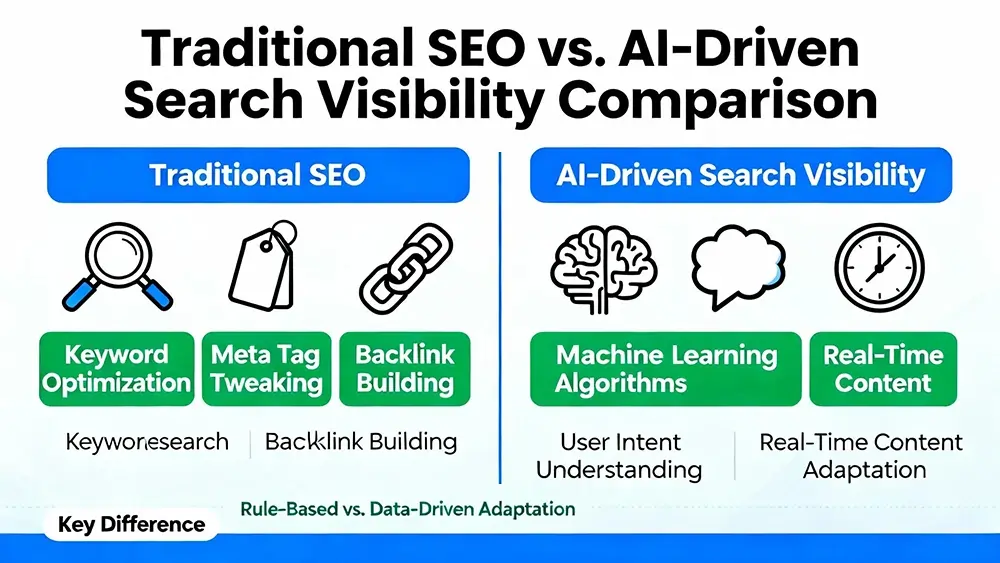
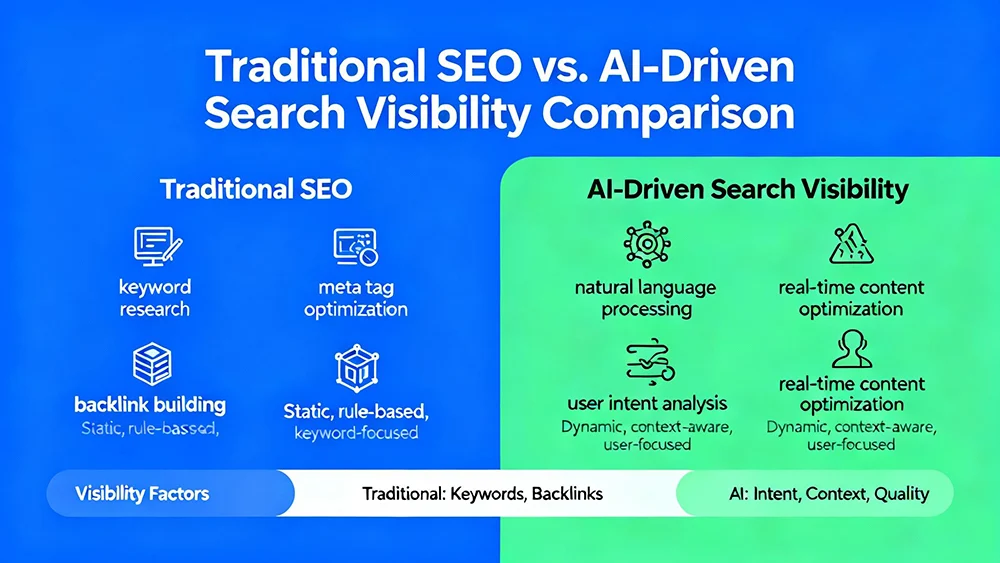
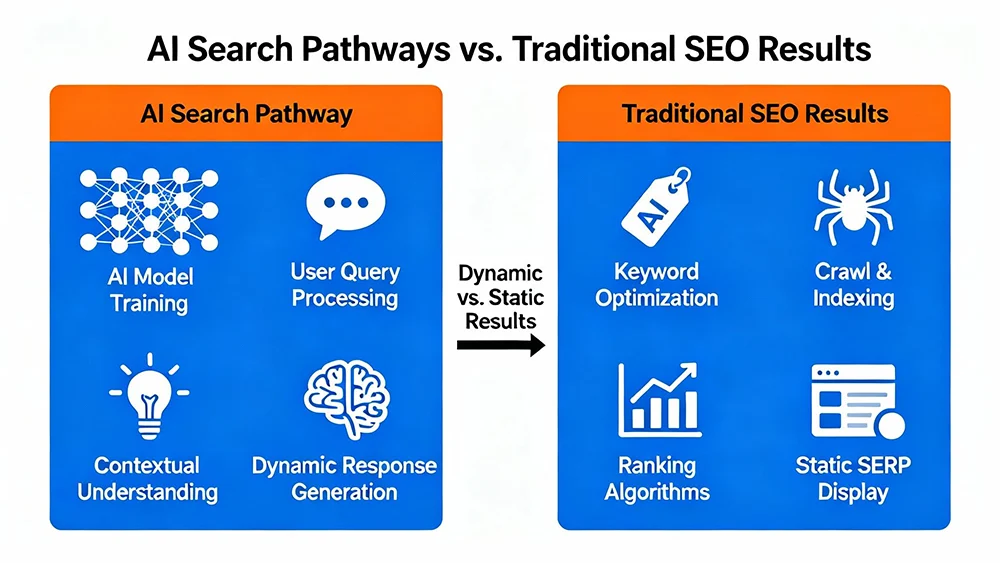
Traditional SEO optimizes for algorithms ranking websites, while AI search focuses on semantic, entity-driven understanding to answer queries directly, often without a website click.
How does entity SEO improve visibility?
Entity SEO ensures search and AI systems recognize your business, products, or services as distinct, credible, and authoritative in your space.
Why is structured data important for AI-driven search?
Structured data (schema) helps AI models interpret entities, relationships, and context—enabling more accurate, relevant results.
What is answer engine optimization?
This strategy enhances your content so it’s selected for direct answers in AI engines, not just ranked in traditional search results.
How does semantic search influence rankings?
Semantic search evaluates context and meaning, rewarding content that deeply covers topics and demonstrates clear expertise.
Should I still use keywords?
Use keywords naturally within semantically rich, entity-based content—avoid old tactics like stuffing or exact matching.
Can AI search impact local business visibility?
Yes, especially for local queries—AI engines favor businesses with strong, structured profiles and high entity authority.
How can performance and user experience affect AI search?
Fast, accessible, well-structured sites are interpreted more reliably by AI systems, supporting higher visibility.
What’s the role of internal linking in the AI era?
Strategic internal links clarify content relationships, helping build topical and entity-based authority.
How do I future-proof my website for algorithm-free, AI-driven discovery?
Prioritize entity clarity, semantic structure, schema markup, and ongoing enhancement for both search algorithms and AI engines.
Webpuzzlemaster SEO Services
Webpuzzlemaster Digital Marketing Agency, led by Ruth Kuttler, delivers AI-driven visibility systems designed for a search landscape that no longer relies solely on traditional algorithms. Through the AI Visibility Engine™, we combine entity-based SEO, structured content architecture, schema implementation, and answer engine optimization to ensure businesses remain discoverable across both search engines and AI-powered platforms.
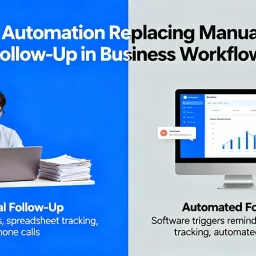
Our approach goes beyond rankings. We align content structure, website performance improvements, internal linking, and CRM automation workflows so visibility translates into engagement, trust, and qualified leads—whether discovery happens through search results or AI-generated answers.
About the Author
Written by Ruth Kuttler, AI Visibility Engineer™ & Digital Strategy Architect, Ruth specializes in helping businesses adapt to AI-driven discovery by designing entity-first content systems, structured data frameworks, and performance-aligned websites that support both traditional SEO and emerging answer engines.
Her work focuses on building long-term visibility, authority, and lead quality through integrated strategies that connect content, technology, and customer journeys—ensuring businesses stay relevant as search continues to evolve.
Your Next Step
If you’re ready to adapt your visibility strategy to AI-driven search, let’s build a roadmap that strengthens your presence across both search and answer engines.